


Address: No. 92, Xidazhi Street, Nangang District, Harbin



JOIN-USHIT sincerely invite talents from both home and aproad to join in the new course of constructing first-class universities. |
Continuing to Strive amid the Seven-Decade Glory of China’s Space Program
Shouldering Responsibility on the New Journey toward a Space Power
2026 marks the 70th anniversary of the founding of China’s space program. In 1956, the Fifth Research Academy of the Ministry of National Defense was established in Beijing’s western suburbs, marking a key milestone in the development of China’s space program. Seventy years later, faculty and students from HIT SOA set out to carry forward the pioneering spirit associated with HIT’s role in China’s aerospace development and to take the lead in contributing to the country’s space program. Organized around the theme “Seven Decades of Space Exploration, a New Generation of Dreamers,” the program introduced an innovative practice-based education system, mapped out ten fieldwork itineraries, and arranged visits to more than 70 key employers in aerospace and related sectors. The visits took students to more than ten provincial-level regions, including Beijing, Shanghai, Shaanxi, and Sichuan. Through on-site learning, real-scene reflection, hands-on experience, and conversations with industry professionals, the students turned fieldwork into a classroom beyond campus, bringing civic and values education to life in real-world settings.
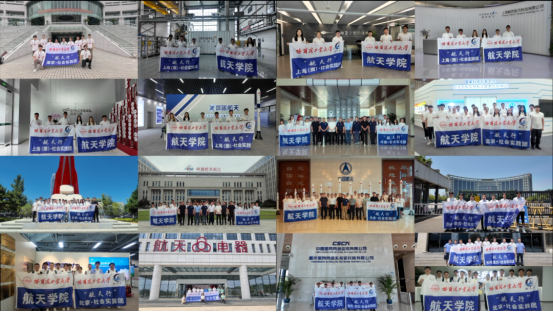
More than 300 students learned and grew through direct engagement with real-world settings and challenges, visiting sites that brought to life the seven-decade history of China’s space program.
Setting Off 丨 A New Framework for Experiential Learning
The value of experiential learning lies in what students gain from it. HIT SOA therefore integrated fieldwork into its overall student-development strategy, creating an aerospace-focused “1+4+N” framework for organizing learning activities.
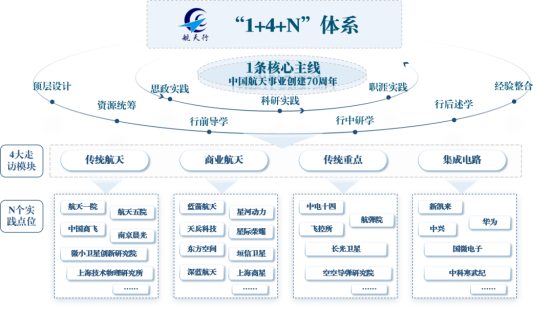
One Guiding Theme Throughout the Program
Built around the 70th anniversary of China’s space program, the initiative involved 70 key organizations nationwide and integrated civic and values education, research-oriented learning, and career exploration. Site visits gave students opportunities to engage directly with the history, achievements, and continuing development of China’s aerospace sector, helping them understand how its traditions and pioneering spirit are carried forward.
Four Visit Modules with a Layered Layout
Drawing on the history of China’s aerospace sector and the development of quality productive forces, HIT SOA organized visits to four categories of organizations: established aerospace research institutes, commercial space companies, established organizations in other strategic sectors, and integrated-circuit companies. The visits were designed to help students develop a broad understanding of the foundations of China’s aerospace achievements and the technologies and industries shaping its future.
N Visit Locations Acrossthe entire Aerospace Chain
The more than 70 participating organizations spanned four broad sectors and different stages of the aerospace value chain, from overall system design and subsystems to individual equipment and components. Together, the visits covered a range of aerospace systems and applications, including missiles, launch vehicles, satellites, spacecraft, and other specialized space vehicles.
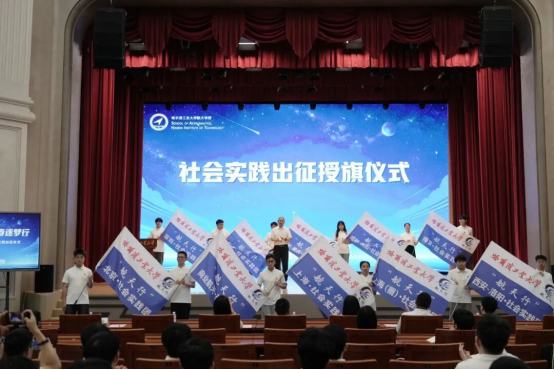
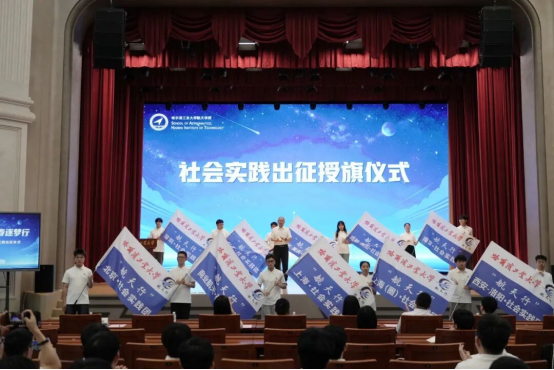
Fieldwork Program Launch Ceremony
At the launch ceremony, Wu Hongxing, Party Secretary of HIT SOA, urged the students to deepen their commitment to the country and maintain strict discipline. He then presented flags to the fieldwork team leaders.
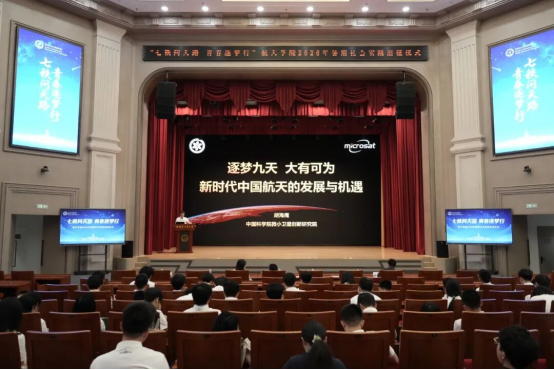
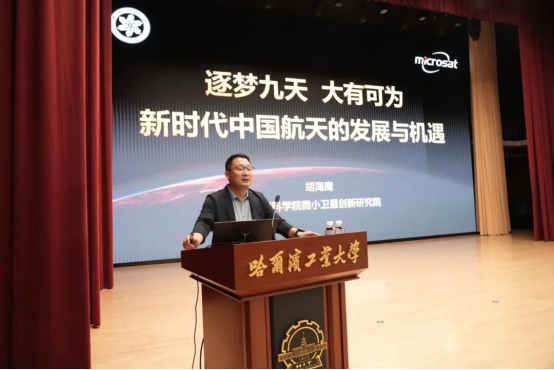
Hu Haiying, Director of theCAS Microsat, delivered the opening pre-trip lecture of the “Chief Designer Forum,” titled “The Development and Opportunities of China’s Aerospace Industry in the New Era.”which boosted morale and inspired the audience
Before departure, each team also organized online and in-person preparatory sessions with faculty specializing in civic and values education and in relevant academic disciplines. Sessions on HIT SOA’s history and mission helped students education on HIT SOA’s history and current situation helped lay a solid spiritual foundation, while background research on the organizations to be visited prepared them for their fieldwork. This preparation ensured that each team set off with a clear sense of purpose and a solid understanding of what to expect.
Seeking Answers |Understanding the Forces Shaping China’s Space and Technology Industries
Lesson One: The Soul of Major Equipment | Exploring the Mission and Legacy of Established Aerospace Research Institutes
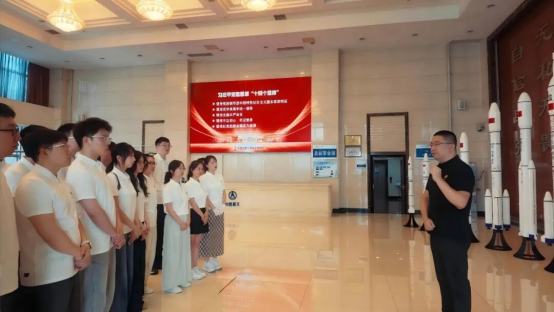
The teams visited several major aerospace research organizations, including the First and Fifth Academies of China Aerospace Science and Technology Corporation (CASC) and the Second and Third Academies of China Aerospace Science and Industry Corporation (CASIC). Faculty members in relevant disciplines led on-site lessons in civic and values education. In assembly workshops, students saw major aerospace systems up close; in history exhibitions, they explored key milestones in China’s space program. These visits helped them understand how the spirit associated with China’s “Two Bombs, One Satellite” program and the tradition of human spaceflight have been carried forward. Seeing real rockets firsthand and learning about pivotal moments in China’s aerospace history helped students develop a stronger sense of personal connection to, and pride in, the country’s achievements.
Lesson Two: Commercial Space | Seeing Innovation in Action
The teams visited leading commercial space companies, including LandSpace, Space Pioneer, Galactic Energy, and Deep Blue Aerospace. They explored the innovative capacity and growth potential of privately operated space ventures in a market-driven environment. Students also learned how established state-backed organizations and emerging commercial companies contribute to China’s space program in complementary ways. The visits highlighted an entrepreneurial approach to innovation: taking risks, challenging established practices, and seeking breakthroughs through new technological pathways. The dynamism of a competitive industry and the rise of new commercial space companies helped strengthen students’ sense of responsibility and their determination to contribute to China’s development in science and technology.
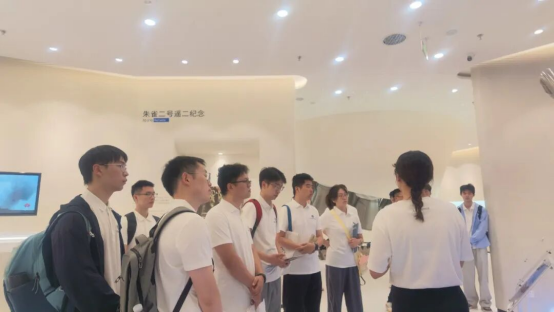
Lesson Three: Aerospace and Defense | Exploring the Role of Strategic Industries in National Security
The teams visited organizations including the First Aircraft Institute of the Aviation Industry Corporation of China, the Institute of Optics and Electronics, the China Airborne Missile Academy, and Chang’an Wangjiang. The visitstraced the “red genes” of serving the country through aviation and the military industry Students learned about the technical capabilities of organizations working in strategically important sectors and their role in safeguarding national security. They also gained a deeper appreciation of the significance of major aerospace and defense systems, the expertise required to develop them, and the commitment of successive generations of professionals to this work. The visits helped students appreciate the solemnity of “forging a shield and sharpening a sword” and the sense of responsibility for “safeguarding peace”reinforcing their commitment to work hard and contribute to their country.
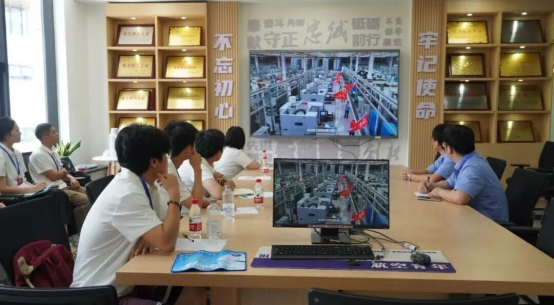
Lesson Four: Semiconductors and Intelligent Technology | Exploring the Technologies of the Future
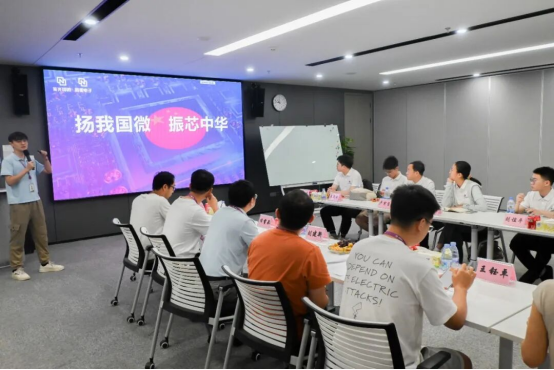
The teams visited semiconductor companies such as Guowei Electronics and Cambricon to explore how information technology and advanced manufacturing can support China’s technological development and strategicunder the new circumstances. Exposure to work across different technology sectors broadened students’ understanding of how scientific and technological innovation can contribute to national development. They learned how foundational technologies underpin major aerospace and industrial projects and gained a deeper appreciation of technological self-reliance, perseverance, and the importance of tackling difficult problems. These experiences also strengthened their commitment to contributing to the country through science and technology.
Consolidation | Four-Dimensional Transformation for Long-Term Education
HIT SOA aims to build on established educational principles while continuing to innovate, turning the results of fieldwork into resources that can support student learning over the long term.
Goal Transformation: Consolidating Fieldwork Experience into Coordinates for Growth
The visits helped students deepen their commitment to their country, clarify their aspirations, develop career-related skills, and refine their plans for the future. The aim was not simply to expose students to new places and experiences, but to help them understand their significance and connect what they learned with their own goals.
Information Transformation: Turning Visit Results into Development Support
HIT SOA compiled information on more than 70 key employers and organized it by location, the academic disciplines and specializations relevant to each organization, research teams, and research areas. This information was used to build an employer database that helps students identify suitable internship and job opportunities. The school also draws on its alumni networks at these organizations to strengthen employer engagement, expand recruitment opportunities, and develop partnerships between the school and industry.
Curriculum Transformation: Consolidating Fieldwork Materials into Educational Resources
The school collected preparatory learning materials, photographs and videos from the visits, and students’ post-visit presentations. It also organized talks by chief designers, records of on-site civic and values-education sessions, and fieldwork reports. These materials were used to develop a reusable resource bank for experiential learning, allowing the results of fieldwork to be incorporated into courses, textbooks, and online learning platforms. In this way, the educational benefits of the visits can extend beyond the students who took part.
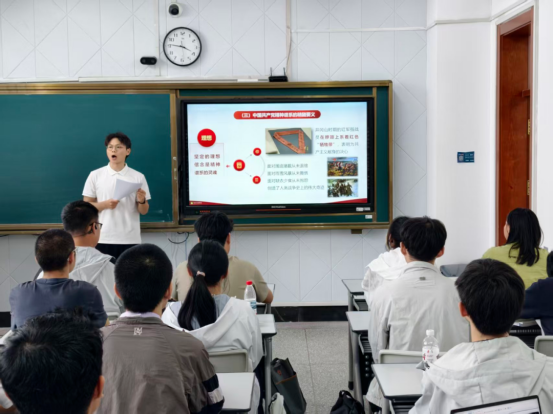
Evaluation Transformation: Upgrading Process Review into a Leap in Quality
HIT SOA established a three-stage evaluation process covering the periods before, during, and after the visits. Before departure, surveys assessed students’ existing knowledge and expectations. During the program, fieldwork logs and observations from accompanying faculty and staff were used to monitor students’ learning and engagement. After the visits, follow-up surveys and group discussions helped assess the program’s outcomes. The school also follows students’ subsequent educational and career pathways to explore how fieldwork relates to their longer-term development. Findings from this process will inform improvements to using evaluation to promote improvement and review to promote upgrading
and help enhance the quality and lasting educational impact of experiential learning.
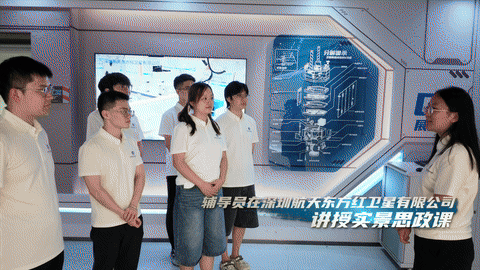
Through their fieldwork, students gained a firsthand understanding of China’s efforts to become a leading space power and put HIT’s commitment to “Rigor and Mastery” into practice. From 1995 to 2026, HIT SOA’s “Aerospace Journey” program has developed over more than three decades, helping successive generations of students strengthen their commitment to the country, develop a sense of responsibility, and prepare to make meaningful contributions through their work. Seventy years of space exploration have paved the way for the future, and it is up to today’s young people to carry that legacy forward. Dreams become reality through action. HIT SOA students will continue to contribute to the next stage of China’s space development, learn and grow through fieldwork, and strive to make further contributions to the country’s aerospace sector.
初审:陈东萍
复审:智喜洋
终审:吴洪兴
Address: No. 92, Xidazhi Street, Nangang District, Harbin